Best for Anxiety: Proven Strategies That Actually Work
· Psynest · Dubai
Anxiety has become one of the defining mental health challenges of our time, affecting hundreds of millions worldwide. Whether you experience occasional worry or persistent anxiety that disrupts your daily life, understa
Anxiety has become one of the defining mental health challenges of our time, affecting hundreds of millions worldwide. Whether you experience occasional worry or persistent anxiety that disrupts your daily life, understanding what works best for anxiety can transform your path to recovery. This comprehensive guide explores evidence-based approaches, practical strategies, and professional interventions that deliver real results for children, adolescents, and adults navigating anxiety in 2026.
Understanding What Makes Interventions Best for Anxiety
Not all anxiety treatments deliver equal results. The best for anxiety interventions share common characteristics: they target both immediate symptoms and underlying patterns, they're backed by research, and they adapt to individual needs.
Research from the National Institute of Mental Health confirms that anxiety disorders respond well to structured treatment when properly matched to the person's specific presentation. What works brilliantly for generalized anxiety may differ from panic disorder or social anxiety approaches.
The Gold Standard: Cognitive Behavioral Therapy
Cognitive Behavioral Therapy (CBT) consistently emerges as the best for anxiety among psychological interventions. This structured approach helps individuals identify thought patterns that fuel worry, challenge distorted beliefs, and develop healthier coping mechanisms.
Key CBT components include:
Cognitive restructuring to identify and modify anxious thoughts
Exposure therapy for confronting feared situations gradually
Behavioral activation to counteract avoidance patterns
Skills training in relaxation and stress management
CBT's effectiveness isn't merely anecdotal. Systematic reviews by Cochrane demonstrate that psychological therapies, particularly CBT, produce substantial symptom reduction across anxiety presentations.

The beauty of CBT lies in its practicality. Sessions provide concrete tools you can apply immediately, from thought records to graded exposure hierarchies. Many individuals see meaningful improvement within 12 to 16 sessions, though duration varies based on severity and complexity.
Third-Wave Approaches Gaining Recognition
Beyond traditional CBT, newer therapeutic models show promise for anxiety treatment. Acceptance and Commitment Therapy (ACT), mindfulness-based interventions, and compassion-focused therapy offer alternative frameworks for those who haven't responded fully to conventional approaches.
These methods emphasize psychological flexibility, acceptance of difficult emotions, and alignment with personal values rather than symptom elimination alone. Recent evidence suggests particular benefits for specific populations, including older adults facing age-related anxiety challenges.
Lifestyle Modifications That Rank Best for Anxiety Management
Professional treatment provides structure and support, but daily habits significantly influence anxiety levels. The best for anxiety lifestyle strategies address sleep, movement, nutrition, and stress exposure comprehensively.
Physical Activity as Natural Anxiety Medicine
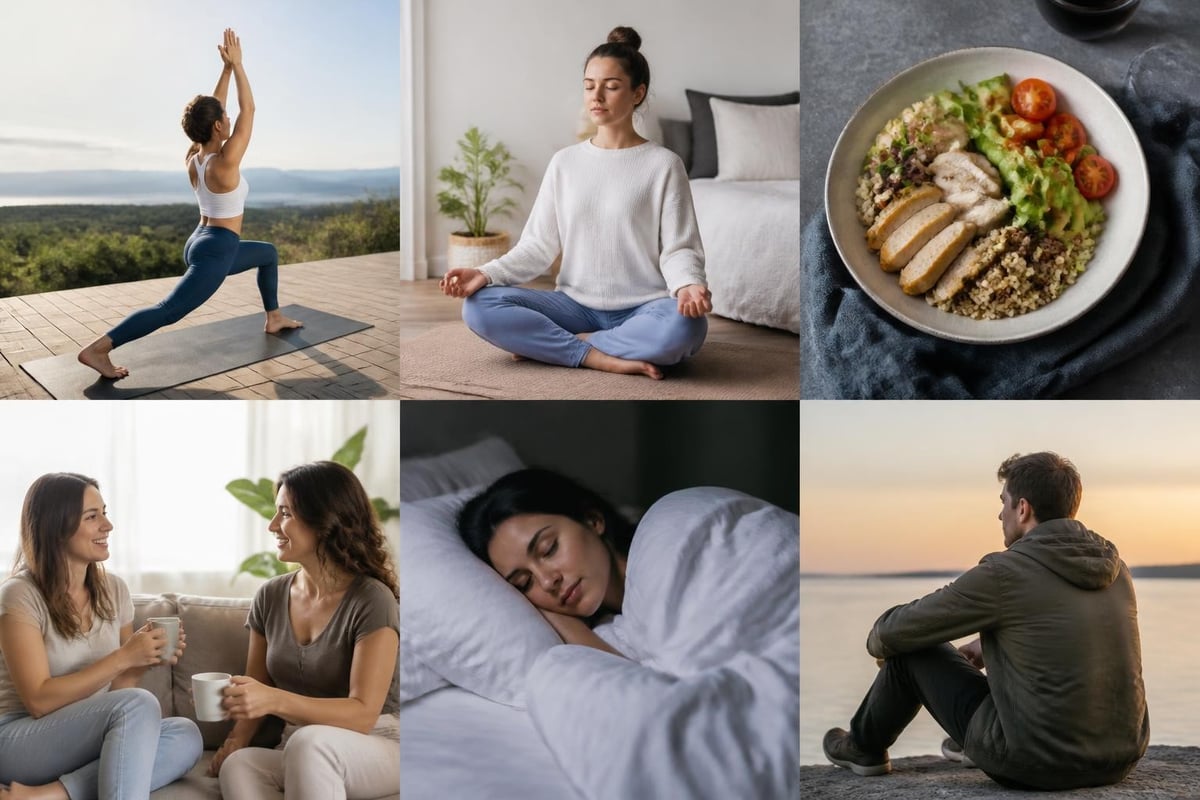
Exercise functions as a powerful anxiety regulator through multiple mechanisms. Physical activity releases endorphins, reduces stress hormones, improves sleep quality, and provides a healthy outlet for nervous energy.
Effective exercise approaches for anxiety:
Aerobic exercise (30 minutes, 5 times weekly): running, cycling, swimming
Yoga and stretching (flexibility plus mindfulness benefits)
Strength training (builds confidence, improves body awareness)
Outdoor activities (nature exposure adds therapeutic value)
You don't need intense workouts to see benefits. Even moderate walking reduces anxiety symptoms measurably. The key is consistency rather than intensity.
Sleep Hygiene: The Overlooked Anxiety Solution
Poor sleep and anxiety create a vicious cycle. Anxiety disrupts sleep, and sleep deprivation amplifies anxiety sensitivity. Prioritizing sleep hygiene often delivers unexpected anxiety relief.
Target seven to nine hours nightly with consistent sleep and wake times. Create a bedroom environment conducive to rest: cool temperature, minimal light, comfortable bedding. Avoid screens for an hour before bed, as blue light suppresses melatonin production.
When racing thoughts prevent sleep, try the cognitive shuffle technique. List random, non-threatening objects or imagine simple, non-sequential scenes. This occupies the verbal mind without triggering anxious rumination.
Age-Specific Considerations: Best for Anxiety Across Life Stages
Anxiety manifests differently across developmental stages. What works best for anxiety in children differs substantially from adolescent or adult interventions.
Children and Anxiety
Young children benefit from play-based approaches that make therapy accessible and engaging. Parent involvement is crucial, as caregivers learn to reinforce healthy coping rather than inadvertently enabling avoidance.
Effective child anxiety interventions include:
Play therapy with gradual exposure elements
Parent coaching on responding to anxious behaviors
Social skills training for socially anxious children
Structured routines that provide predictability
Child and adolescent coaching addresses developmental needs while building resilience skills that serve throughout life. Early intervention prevents anxiety from becoming entrenched and interfering with social, academic, and emotional development.
Adolescent Anxiety Challenges
Teenagers face unique stressors: academic pressure, social dynamics, identity formation, and biological changes. The best for anxiety approaches for this age group balance independence with support, recognizing adolescents' growing autonomy while providing needed guidance.
Adolescents often respond well to CBT delivered in a collaborative, non-authoritarian style. Peer support groups can supplement individual therapy, normalizing experiences and reducing isolation. Digital mental health tools appeal to tech-savvy teens when properly integrated into comprehensive treatment.
Age Group | Primary Anxiety Triggers | Most Effective Approaches | Key Success Factors |
|---|---|---|---|
Children (5-12) | Separation, performance, social situations | Play therapy, parent coaching | Caregiver involvement, routine |
Adolescents (13-18) | Academic pressure, peer relationships, identity | CBT, group support, digital tools | Autonomy respect, peer validation |
Adults (18-65) | Work, relationships, health, finances | CBT, medication, lifestyle modification | Personalized approach, motivation |
Older Adults (65+) | Health concerns, loss, isolation | Adapted CBT, social connection, meaning-making | Age-appropriate modifications, purpose |
Adult Anxiety in a Fast-Paced World
Adults juggling careers, relationships, and responsibilities face complex anxiety presentations. The World Health Organization recognizes anxiety disorders as among the most prevalent mental health conditions globally, with significant impact on productivity and quality of life.
For professionals experiencing anxiety, approaches that integrate seamlessly with busy schedules work best. Brief, solution-focused therapy, digital CBT programs, and workplace stress management techniques provide practical relief without requiring extensive time commitments.
Adults also benefit from examining life balance holistically. Sometimes anxiety signals misalignment between values and daily life. Life coaching can complement therapeutic work by addressing career satisfaction, relationship quality, and purpose.
Building Your Personal Best-for-Anxiety Strategy
No single intervention works universally. The best for anxiety approach for you depends on symptom severity, anxiety type, personal preferences, previous treatment experiences, and practical considerations like time and resources.
Creating a Comprehensive Anxiety Management Plan
Start by assessing your current situation honestly. Track anxiety symptoms for two weeks, noting triggers, intensity, duration, and what helps or worsens symptoms. This baseline data guides treatment selection and measures progress.
Essential plan components:
Professional intervention (therapy, coaching, or psychiatry as needed)
Daily practices (exercise, sleep hygiene, nutrition, stress management)
Social support (trusted relationships, support groups, community)
Environmental modifications (reducing stressors, setting boundaries)
Emergency strategies (acute anxiety management techniques)
Review your plan regularly with a mental health professional. Anxiety treatment isn't static; approaches that work initially may need adjustment as you progress or circumstances change.
Measuring Progress and Adjusting Course
Track outcomes using standardized anxiety measures alongside subjective well-being assessments. The GAD-7 questionnaire provides a quick, validated measure of generalized anxiety severity that you can complete monthly to monitor trends.
Remember that progress isn't linear. Setbacks don't indicate failure but rather opportunities to refine strategies. The American Psychological Association emphasizes evidence-based practice that adapts to individual response patterns.
Cultural and Contextual Factors in Anxiety Treatment
For expatriates and multicultural families in the UAE, anxiety often intertwines with relocation stress, cultural adaptation, and identity navigation. The best for anxiety treatments acknowledge these contextual factors rather than applying one-size-fits-all Western models.
Language access matters significantly in therapy effectiveness. Discussing complex emotions in your native language allows for nuance and depth impossible when working in a second language. Services offering multilingual support in Arabic, French, and English ensure cultural and linguistic accessibility.
Cultural attitudes toward mental health, family dynamics, and help-seeking behaviors all influence treatment engagement and outcomes. A culturally sensitive therapist adapts interventions respectfully while maintaining evidence-based foundations.
Anxiety in High-Achieving Environments
Dubai's fast-paced, achievement-oriented culture can exacerbate anxiety, particularly for professionals and students facing intense competition and high expectations. Recognizing environmental contributions to anxiety helps in addressing them systemically rather than viewing anxiety as purely individual pathology.
Workplace accommodations, reasonable academic adjustments, and boundary-setting become part of comprehensive treatment. Sometimes the best for anxiety intervention includes advocating for environmental changes that reduce unnecessary stress.
Integrating Technology and Traditional Approaches
Digital mental health tools have exploded in availability and sophistication. Apps for meditation, CBT-based programs, anxiety tracking, and virtual therapy sessions expand access and supplement in-person treatment.
Promising digital anxiety tools include:
Guided meditation apps (Headspace, Calm, Insight Timer)
CBT-based programs (MindShift, Sanvello)
Biofeedback and breathing trainers
Teletherapy platforms for remote sessions
However, technology works best for anxiety when integrated thoughtfully with human support rather than replacing it entirely. Apps excel at providing daily practice opportunities and tracking, while therapists offer personalized guidance, deeper processing, and relationship-based healing.
For those unable to access in-person services, online coaching across the Middle East bridges geographical barriers while maintaining therapeutic quality and confidentiality.
Prevention: Building Resilience Before Crisis
The ultimate best for anxiety strategy is prevention. Building psychological resilience, stress management skills, and emotional awareness before anxiety becomes debilitating creates a foundation for lifelong mental wellness.
Resilience training includes developing realistic thinking patterns, maintaining social connections, engaging in meaningful activities, practicing self-compassion, and building problem-solving skills. These protective factors buffer against anxiety even when facing legitimate stressors.
Educational institutions, workplaces, and communities increasingly recognize prevention's value. Mental health literacy programs, stress management workshops, and accessible support services reduce anxiety prevalence and severity at population levels.
For individuals, regular mental health check-ins function like preventive medical care. Annual or biannual sessions with a therapist or coach, even when feeling well, identify emerging patterns early and reinforce healthy practices. This proactive approach catches problems small rather than waiting for crisis.
Finding what works best for anxiety requires patience, experimentation, and professional guidance tailored to your unique situation. The evidence is clear: anxiety responds to treatment, and lasting relief is achievable through the right combination of therapy, lifestyle modification, and support. If you're navigating anxiety in Dubai or across the UAE, Psynest offers psychology-informed coaching and therapy in Arabic, French, and English, providing confidential, evidence-based support for children, adolescents, and adults ready to move beyond anxiety toward greater well-being.
Psynest provides coaching and personal development services. This is not regulated clinical, medical or psychological treatment.