What to Do When You Feel Overwhelmed and Need Support
· Psynest · Dubai
When life's demands pile up faster than you can process them, the resulting sense of being unable to cope becomes more than just stress. Whether you're managing work deadlines, family responsibilities, relationsh
When life's demands pile up faster than you can process them, the resulting sense of being unable to cope becomes more than just stress. Whether you're managing work deadlines, family responsibilities, relationship challenges, or the unique pressures of expat life in Dubai, the sensation of drowning in obligations affects millions of people worldwide. Understanding why this happens and how to respond effectively can transform an acute crisis into an opportunity for growth and better self-care. This guide explores the psychology behind feeling overwhelmed, practical strategies for immediate relief, and when professional support becomes essential.
Understanding Why We Feel Overwhelmed
The experience of feeling overwhelmed stems from a mismatch between perceived demands and our perceived ability to meet them. When your brain detects that incoming tasks, emotions, or stimuli exceed your coping capacity, it triggers a cascade of physiological and psychological responses designed to protect you. Unfortunately, these protective mechanisms often make the situation feel worse before it gets better.
The Neuroscience of Overload
Your prefrontal cortex handles executive functions like planning, decision-making, and emotional regulation. When you face too many simultaneous demands, this region becomes overtaxed, leading to what researchers call "cognitive load." The American Psychological Association emphasizes that chronic stress impairs these executive functions, creating a vicious cycle where overwhelm makes it harder to solve the very problems causing the overwhelm.
Several biological factors contribute to this state:
- Cortisol elevation disrupts clear thinking and memory formation
- Sympathetic nervous system activation triggers fight-or-flight responses
- Reduced hippocampal function impairs your ability to contextualize stressors
- Amygdala hyperactivity intensifies emotional reactions to everyday challenges
The result is a perfect storm where you simultaneously feel paralyzed and agitated, unable to prioritize or execute even simple tasks.

Common Triggers in Modern Life
Different life circumstances create distinct patterns of overwhelm. In Dubai's fast-paced, multicultural environment, several factors frequently converge:
| Trigger Category | Common Examples | Why It Overwhelms |
|---|---|---|
| Work demands | Tight deadlines, role ambiguity, perfectionism | Creates constant urgency without natural breaks |
| Relationship strain | Communication breakdowns, conflicting needs | Adds emotional labor to existing task load |
| Life transitions | Relocation, career change, parenthood | Removes familiar coping structures |
| Digital overload | Constant notifications, information avalanche | Fragments attention and prevents deep focus |
| Cultural adjustment | Language barriers, isolation, identity questions | Depletes cognitive resources for basic interactions |
When you combine these triggers with inadequate rest, poor boundaries, or limited support systems, the statement "I feel overwhelmed" becomes an understatement of genuine distress.
Immediate Strategies When You Feel Overwhelmed
The moment you recognize overwhelm setting in, you have more agency than it feels like. Research-backed interventions can interrupt the stress cascade and create breathing room for clearer thinking. These aren't permanent solutions, but they prevent the situation from spiraling further.
The Five-Minute Reset Protocol
When everything feels urgent and impossible, this sequence activates your parasympathetic nervous system:
- Stop and breathe deeply for six slow cycles (inhale for four counts, hold for four, exhale for six)
- Name what you're feeling out loud or in writing ("I feel overwhelmed by deadlines and family needs")
- Identify one controllable element in your current situation, however small
- Complete that single action before attempting anything else
- Acknowledge completion and reassess your state
This protocol works because it shifts you from reactive mode to responsive mode. Harvard Health Publishing explains how these grounding techniques interrupt emotional escalation and restore access to logical thinking.
Physical Interventions That Work
Your body and mind form an integrated system. When cognitive approaches feel inaccessible, physical interventions offer an alternative pathway to regulation:
- Cold water exposure: Splash your face with cold water or hold ice cubes to activate the diving reflex, which rapidly calms your nervous system
- Progressive muscle relaxation: Systematically tense and release muscle groups to release stored tension
- Movement: Even a five-minute walk changes your neurochemistry and provides perspective
- Grounding through senses: Name five things you see, four you touch, three you hear, two you smell, one you taste
A systematic review on stress management interventions found that combining physical and cognitive techniques produces significantly better outcomes than either approach alone.
Building Sustainable Systems to Prevent Overwhelm
While immediate relief matters, lasting change requires addressing the structural factors that create recurring overwhelm. This means examining your relationship with time, boundaries, and support.
The Art of Radical Prioritization
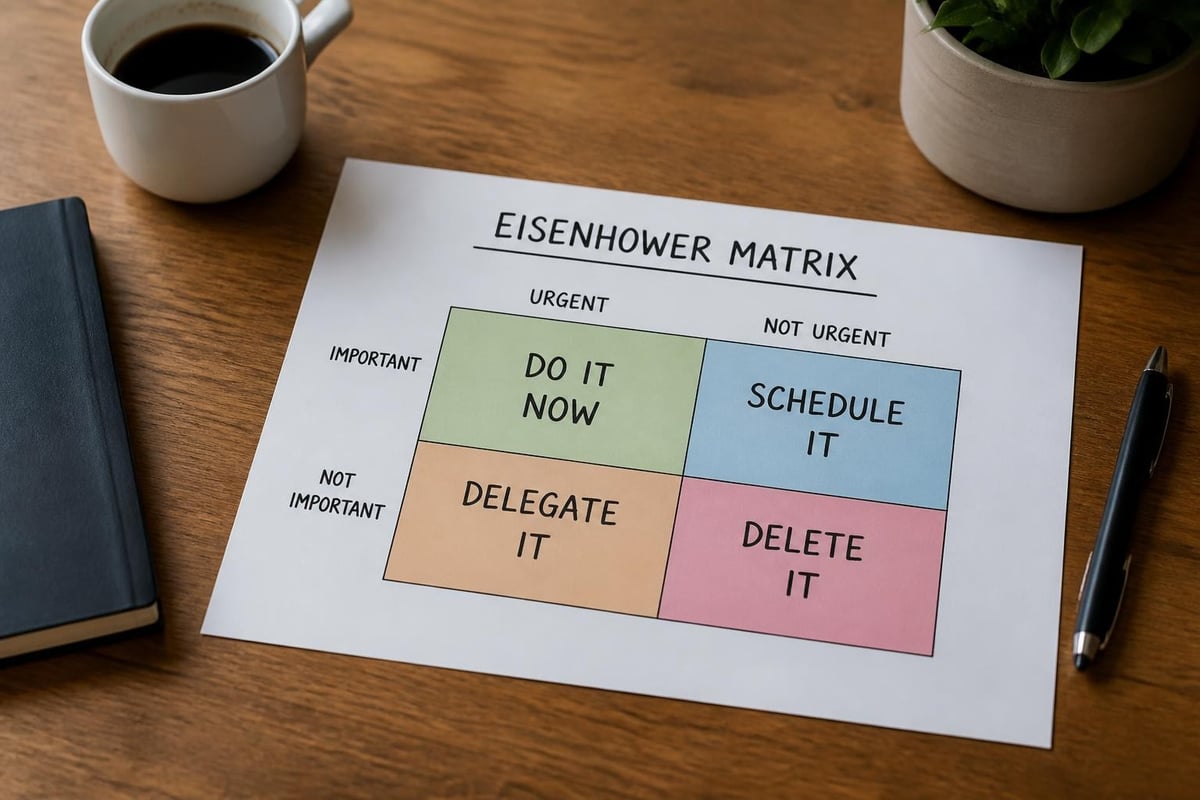
Most people who say "I feel overwhelmed" are trying to do too many things at once, often because they struggle to distinguish truly important tasks from merely urgent ones. The Eisenhower Matrix provides a framework:
Important and urgent: Do these first, but if everything falls in this category, you have a systemic problem, not a time management issue.
Important but not urgent: Schedule these proactively. They include relationship maintenance, skill development, health practices, and strategic planning. Neglecting this quadrant guarantees future crises.
Urgent but not important: Delegate or minimize these interruptions, which often include others' emergencies becoming your obligations.
Neither urgent nor important: Eliminate these time-wasters ruthlessly.
The hardest part isn't understanding this framework; it's having the courage to disappoint people by setting boundaries. For many professionals and parents in Dubai, cultural expectations around availability and productivity make saying "no" feel impossible.
Creating Recovery Spaces
Your nervous system requires downtime to process experiences and restore resources. Without deliberate recovery periods, stress accumulates until you hit a breaking point. The World Health Organization's guidance on stress emphasizes that recovery isn't optional-it's a biological necessity.
Build these non-negotiable recovery practices into your week:
- Daily micro-breaks: Three 10-minute periods where you completely disconnect from demands
- Weekly restoration time: Two hours minimum for activities that genuinely energize you
- Monthly perspective checks: Half-day to review what's working and what needs adjustment
- Annual reset periods: Extended time away from your usual environment and roles
These aren't luxuries for people with spare time. They're essential maintenance that prevents the chronic overwhelm that leads to burnout, relationship breakdowns, and health crises.
When to Seek Professional Support
Self-help strategies work brilliantly for situational overwhelm-the temporary spike when circumstances converge unfavorably. But when overwhelm becomes your baseline state, when you wake up already exhausted by the day ahead, or when you've tried everything and nothing shifts, professional intervention becomes necessary.
Red Flags That Warrant Professional Help
The NHS guidance on stress and mental health identifies several indicators that self-management isn't sufficient:
- Persistent overwhelm lasting more than two weeks despite implementing coping strategies
- Physical symptoms including sleep disturbance, appetite changes, tension headaches, or digestive issues
- Increased reliance on alcohol, substances, or other numbing behaviors
- Withdrawal from relationships and activities you previously enjoyed
- Thoughts of self-harm or that others would be better off without you
- Inability to meet basic work or family responsibilities
Many people delay seeking support because they believe they should handle it themselves or that their problems aren't "serious enough." This thinking keeps people suffering unnecessarily. If you consistently think "I feel overwhelmed" and it's affecting your functioning, that alone justifies professional consultation.
What Professional Support Offers
Working with a psychologist or psychology-informed coach provides several elements that self-help cannot:
Objective assessment: A trained professional identifies patterns and underlying issues you might miss, including whether anxiety, depression, or trauma contributes to your overwhelm.
Personalized strategies: Generic advice rarely accounts for your unique circumstances, personality, cultural context, and specific triggers. Tailored interventions work better.
Accountability and structure: Regular sessions create momentum and prevent backsliding when motivation wanes.
Safe processing space: Many forms of overwhelm stem from unprocessed emotions or unexpressed needs. Therapy provides a confidential environment to explore what you can't discuss elsewhere.
For residents of the UAE navigating the particular challenges of expat life-cultural adjustment, isolation, identity questions, and the pressure to appear successful-specialized support makes a crucial difference. Professional individual therapy sessions offer a space to address not just the symptoms of overwhelm but the deeper patterns driving them.
Lifestyle Foundations That Build Resilience
While crisis intervention and professional support address acute overwhelm, long-term resilience requires attention to fundamental lifestyle factors. A comprehensive 2024 meta-analysis demonstrated that lifestyle interventions significantly reduce stress, anxiety, and depression-often as effectively as medication for mild to moderate cases.
Sleep as Non-Negotiable Medicine
When you feel overwhelmed, sleep often becomes the first sacrifice. This creates a destructive cycle because sleep deprivation impairs the exact cognitive and emotional capacities you need to cope with challenges. Adults require seven to nine hours of quality sleep for optimal functioning.
Practical sleep hygiene improvements:
- Consistent sleep-wake times, even on weekends, to stabilize circadian rhythms
- Screen-free wind-down period of at least 30 minutes before bed
- Cool, dark environment that signals to your biology that it's time to rest
- Anxiety dump journaling before bed to externalize racing thoughts
If you've tried these basics and still struggle with sleep, insomnia may be a symptom of an underlying issue requiring professional assessment.
Movement as Emotional Regulation
Exercise isn't about appearance or athletic performance when you're overwhelmed-it's about neurochemistry. Physical activity releases endorphins, processes stress hormones, and improves executive function. Even 20 minutes of moderate activity produces measurable mood benefits.
The key is finding movement you'll actually do, not what you think you "should" do:
| Activity Type | Benefits for Overwhelm | Who It Suits |
|---|---|---|
| Walking | Accessible, meditative, immediate | Everyone, especially beginners |
| Yoga | Combines movement with breathwork and mindfulness | Those seeking mind-body integration |
| High-intensity intervals | Rapid endorphin release, efficient | Time-pressed individuals with existing fitness base |
| Team sports | Social connection plus physical outlet | Extroverts needing community |
| Swimming | Full-body engagement without impact | Those with joint issues or seeking solitary practice |
Research published in Frontiers in Psychiatry confirms that mind-body practices like yoga produce measurable reductions in stress biomarkers and self-reported overwhelm.
Nutrition and Hydration Basics
When time feels scarce, nutrition deteriorates. You skip meals, survive on caffeine, or rely on processed convenience foods that spike blood sugar and crash energy. These patterns directly worsen overwhelm by destabilizing your physiology.
Simple improvements that matter:
- Regular meal timing prevents blood sugar crashes that trigger irritability and anxiety
- Protein with each meal stabilizes energy and supports neurotransmitter production
- Adequate hydration (at least 2 liters daily) prevents the cognitive fog that mimics and worsens overwhelm
- Limiting caffeine after 2 PM prevents interference with sleep quality
You don't need a perfect diet. You need consistent fuel that supports rather than undermines your nervous system.
Building Your Support Ecosystem
One of the most damaging myths about overwhelm is that capable people handle everything independently. In reality, resilience research from Mayo Clinic consistently shows that social support is among the strongest predictors of how well people cope with stress.
Types of Support You Need
Not all support serves the same function. A well-rounded support system includes:
Emotional support: People who listen without judgment or trying to fix, who validate your feelings and remind you that you're not alone in struggling.
Practical support: Friends or family who can help with concrete tasks-childcare, meals, errands-when you're overwhelmed.
Informational support: Mentors, professionals, or experienced peers who provide guidance and perspective based on expertise.
Companionship: Connections that aren't about problems or productivity, but simply enjoying shared activities that remind you life includes pleasure and connection.
Many expatriates in Dubai discover that building this support network from scratch represents one of their biggest challenges. Geographic distance from family, unfamiliar cultural norms around relationships, and the transient nature of expat communities all complicate connection. Professional coaching services can help navigate these unique challenges while providing immediate support.
Asking for Help Effectively
Knowing you need help and actually asking for it are different skills. Many people who frequently say "I feel overwhelmed" struggle to articulate specific needs or fear burdening others.
Effective help-seeking includes:
- Being specific: "Can you pick up my daughter from school on Tuesday?" works better than "I'm drowning and need help"
- Offering reciprocity: "I'd really appreciate it, and I'm happy to return the favor when you need it"
- Accepting imperfect help: Someone else's approach won't match yours exactly, but done is often better than perfect
- Expressing gratitude: Acknowledging support strengthens relationships and makes future requests easier
Remember that people generally want to help but don't know how unless you tell them. Your vulnerability gives others permission to be human too.

Special Considerations for Parents and Caregivers
Parents and caregivers face a particular form of overwhelm because their responsibilities involve other people's needs and well-being, not just tasks. When you feel overwhelmed as a parent, guilt often compounds the stress-you believe you should be enjoying this time or that struggling means you're failing.
The NIMH guidance on stress for young people applies equally to parents: chronic overwhelm affects not just you but your family system. Children absorb parental stress and regulate their own emotions through co-regulation with calm adults.
Permission to Prioritize Your Own Oxygen Mask
The airplane safety instruction to secure your own oxygen mask before helping others isn't just physical advice-it's psychological wisdom. You cannot give from an empty well. Addressing your own overwhelm isn't selfish; it's a prerequisite for effective caregiving.
This might mean:
- Hiring help even if it feels financially uncomfortable
- Lowering standards for housework or elaborate meals
- Taking breaks even when your child protests
- Seeking child and adolescent coaching support when your child's challenges exceed your capacity
Many parents in Dubai juggle careers, family responsibilities, and cultural expectations around parenting excellence. The pressure to optimize every aspect of childhood while maintaining professional success creates unsustainable demands.
Recognizing when you feel overwhelmed is the first step toward meaningful change, not a sign of weakness or failure. By implementing evidence-based strategies for immediate relief, building sustainable systems that prevent recurring crises, and seeking professional support when needed, you can transform overwhelm from a chronic condition into manageable moments. Psynest provides confidential, psychology-informed support in Arabic, French, and English for children, adolescents, and adults navigating emotional and behavioral challenges in Dubai and across the UAE.
Psynest provides coaching and personal development services. This is not regulated clinical, medical or psychological treatment.