Marriage Coaching: Strengthen Your Partnership in 2026
· Psynest · Dubai
When a relationship feels strained, the path forward isn't always clear. Many couples wonder whether they need therapy, counseling, or something else entirely. Marriage coaching has emerged as a powerful alternative
When a relationship feels strained, the path forward isn't always clear. Many couples wonder whether they need therapy, counseling, or something else entirely. Marriage coaching has emerged as a powerful alternative for partners who want to strengthen their bond, improve communication, and navigate life's transitions together. Unlike traditional therapy, which often addresses clinical concerns or past trauma, marriage coaching focuses on building skills, clarifying goals, and creating actionable plans for the future. For expat couples in Dubai and across the UAE, where cultural adjustment and relocation stress compound everyday relationship challenges, this forward-looking approach offers a practical framework for growth.
What Distinguishes Marriage Coaching From Therapy
Marriage coaching operates in a distinct space between casual advice and clinical intervention. While both coaching and therapy aim to improve relationship health, they differ fundamentally in scope, method, and intended outcomes.
Clinical Boundaries and Professional Scope
Therapists hold licenses to diagnose and treat mental health conditions, including depression, anxiety disorders, and trauma-related symptoms that affect relationships. Research on couple interventions for marital distress demonstrates that clinical approaches address pathology and repair deep emotional wounds. Marriage coaching, by contrast, assumes both partners are psychologically healthy and ready to develop new skills.
Coaches work with couples who face situational challenges rather than clinical disorders. Common coaching topics include:
- Communication breakdowns during career transitions
- Disagreements about parenting approaches
- Cultural or religious differences in mixed partnerships
- Financial planning and value alignment
- Intimacy and connection maintenance
When serious issues surface, such as substance abuse, domestic violence, or untreated mental illness, ethical coaches refer to licensed professionals. The American Psychological Association's relationship resources clarify these boundaries and help couples identify which support model fits their needs.

Time Orientation and Goal Structure
Therapy often explores the past to understand present patterns. Coaches primarily focus on the future. A typical marriage coaching engagement begins with defining concrete goals: "We want to argue less about money" or "We need to reconnect after becoming parents." Sessions then build toward measurable milestones within a defined timeframe, often 8 to 12 weeks.
This structure appeals to couples who prefer action over analysis. Rather than unpacking childhood attachment wounds, partners learn specific techniques they can apply immediately. The coach serves as a facilitator, educator, and accountability partner rather than a healer.
Core Competencies Developed Through Marriage Coaching
Effective marriage coaching builds a foundation of skills that couples can refine throughout their partnership. These competencies translate across cultures and life stages, making them particularly valuable for diverse communities.
Communication Architecture
Most relationship friction stems from poor communication rather than incompatible values. Marriage coaching systematically addresses how partners talk, listen, and interpret each other's messages.
Coaches teach structured dialogue techniques such as:
- Reflective listening: Paraphrasing what you heard before responding
- I-statements: Expressing feelings without blaming ("I feel overwhelmed when..." vs. "You always...")
- Scheduled check-ins: Creating consistent time for difficult conversations
- Request vs. complaint: Asking for what you need instead of criticizing what's wrong
These methods reduce defensiveness and create space for understanding. For multilingual couples in the UAE, where Psynest offers sessions in Arabic, French, and English, communication coaching also addresses linguistic nuances that affect emotional expression.
Conflict Navigation Systems
Disagreement is inevitable. The question is whether couples handle conflict constructively or destructively. Marriage coaching introduces frameworks for productive disagreement that strengthen rather than damage the relationship.
| Destructive Pattern | Constructive Alternative |
|---|---|
| Personal attacks | Focus on specific behaviors |
| Stonewalling | Taking agreed-upon breaks |
| Scorekeeping | Acknowledging repair attempts |
| Mind reading | Asking clarifying questions |
| All-or-nothing language | Recognizing partial truths |
The Gottman Institute's research on communication patterns informs many coaching models, identifying behaviors that predict relationship success or failure. Coaches help partners recognize their default patterns and practice alternatives until new habits form.
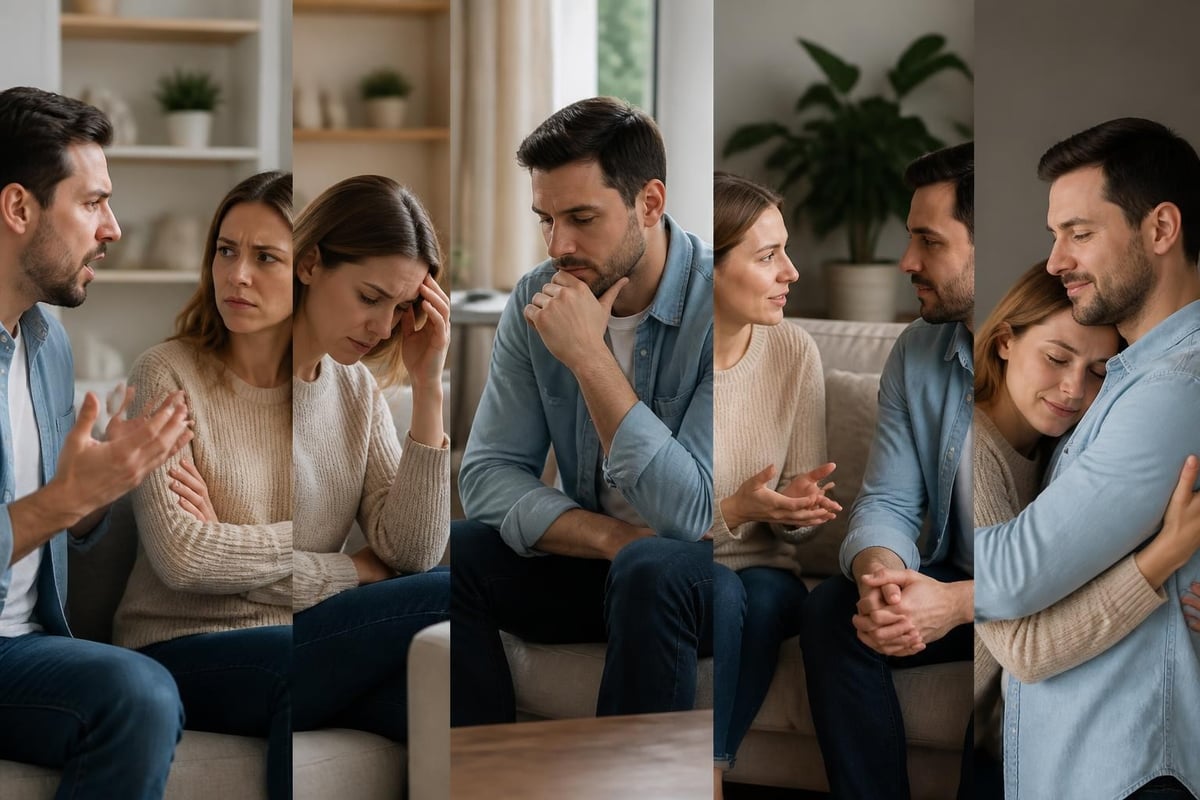
Shared Vision Development
Long-term partnerships require alignment on major life decisions. Marriage coaching facilitates conversations about topics couples often avoid: where to live, whether to have children, how to balance careers, what retirement looks like, and how to handle aging parents.
Coaches use exercises that surface individual priorities and help partners negotiate compromise. A couple disagreeing about relocation, for instance, might explore what each person values most (career advancement, family proximity, cultural comfort) and identify solutions that honor both sets of needs.
This process is especially relevant for expat couples navigating relocation challenges in Dubai and the broader Middle East, where one partner's career opportunity may conflict with the other's sense of belonging.
When Marriage Coaching Delivers Maximum Value
Not every relationship challenge calls for marriage coaching. Understanding optimal timing helps couples invest their resources wisely.
Preventive Relationship Maintenance
Some couples seek coaching when things are good, treating it as preventive care rather than crisis intervention. These partners want to deepen intimacy, maintain connection during busy periods, or prepare for known transitions like parenthood or empty-nesting.
Preventive coaching builds resilience before problems escalate. Partners learn skills in low-stress conditions, making them easier to apply when tensions inevitably rise. This approach aligns with Harvard Health's guidance on fostering healthy relationships through proactive attention rather than reactive repair.
Transition Periods and Life Changes
Major life events stress even strong relationships. Marriage coaching provides structured support during:
- Career changes or job loss
- Geographic relocation
- Becoming parents
- Blending families
- Health diagnoses
- Financial windfalls or setbacks
Coaches help couples anticipate how transitions will affect their partnership and develop strategies before patterns become entrenched. An expat couple moving to Dubai, for example, might work with a coach to maintain connection while one partner travels frequently and the other adjusts to a new culture.
Skill Gaps and Growth Opportunities
Sometimes couples simply lack the tools they need. They love each other but don't know how to express appreciation, manage household labor equitably, or maintain intimacy under stress. Marriage coaching fills these gaps through education and practice.
Coaches often assign homework: practicing active listening, scheduling date nights, expressing gratitude daily, or completing questionnaires that reveal differences in communication style. This structured approach accelerates learning and creates accountability.
Selecting the Right Marriage Coaching Approach
The coaching field includes diverse practitioners with varying backgrounds, methods, and specializations. Couples benefit from understanding what to look for.
Credentials and Training Backgrounds
Unlike licensed therapists, coaches aren't uniformly regulated. Quality varies widely. Strong marriage coaches typically hold one or more of these qualifications:
- Advanced degrees in psychology, counseling, or social work
- Certification from recognized coaching organizations
- Specialized training in evidence-based relationship models
- Supervised clinical experience (even if not currently practicing therapy)
Psychology-informed coaches bring research literacy and clinical judgment without crossing into therapy territory. They recognize when issues exceed coaching scope and maintain referral networks with licensed professionals. The American Association for Marriage and Family Therapy provides resources that help distinguish qualified practitioners.
Cultural and Linguistic Competence
Cultural context shapes relationship dynamics profoundly. Coaches working with diverse populations need awareness of how culture influences gender roles, conflict expression, extended family involvement, and decision-making authority.
In the UAE's multicultural environment, where couples may come from different countries, religions, or linguistic backgrounds, coaching must account for these layers. For instance, couples coaching in Dubai often addresses the unique pressures expat partnerships face: isolation from support networks, career sacrifices, and identity shifts in a new culture.
Multilingual capability matters too. Emotional nuance gets lost in translation. Partners express themselves most fully in their native language, making coaches who offer sessions in multiple languages particularly valuable for international couples.
Evidence-Based Methodologies
Effective coaches ground their work in research rather than intuition alone. Several models have strong evidence bases:
Gottman Method: Based on decades of observation research, this approach identifies specific behaviors that predict relationship success and teaches concrete alternatives to destructive patterns. The Gottman Institute's work on enhancing couple interventions continues to inform both clinical and coaching practices.
Emotionally Focused Coaching: Adapted from Emotionally Focused Therapy, this model helps partners understand their attachment needs and communication patterns. Coaches work with the emotional experience underneath conflicts rather than just behavioral techniques.
Imago Relationship Coaching: This approach explores how childhood experiences shape partner selection and conflict dynamics, helping couples develop empathy and intentional dialogue skills.
Reputable coaches explain their methodology clearly and adapt techniques to each couple's needs rather than applying a one-size-fits-all formula.
Practical Implementation: What to Expect
Understanding the coaching process helps couples engage fully and maximize their investment.
Typical Session Structure and Frequency
Most marriage coaching engagements begin with an assessment phase. The coach meets with both partners (sometimes individually first) to understand their history, current challenges, and desired outcomes. Together they establish specific, measurable goals and agree on a timeline.
| Phase | Duration | Focus |
|---|---|---|
| Assessment | 1-2 sessions | History, patterns, goal-setting |
| Skill building | 4-8 sessions | Techniques, practice, feedback |
| Integration | 2-4 sessions | Real-world application, refinement |
| Maintenance | As needed | Check-ins, tune-ups |
Sessions typically run 60 to 90 minutes and occur weekly or biweekly. Some coaches offer intensive formats (full-day or weekend workshops) for couples who want concentrated work or face scheduling constraints.
Between sessions, couples practice assigned exercises and report back on successes and obstacles. This homework component distinguishes coaching from passive advice-seeking and accelerates progress.
Investment Considerations
Marriage coaching represents a significant time and financial commitment. Rates vary by practitioner experience, geographic market, and session format. In Dubai and other major cities, expect premium pricing that reflects the specialized expertise and the high value of relationship health.
When evaluating cost, consider the alternative. Divorce carries enormous financial, emotional, and logistical costs. Even without divorce, chronic relationship distress affects health, parenting quality, career performance, and overall life satisfaction. For many couples, coaching delivers returns far exceeding the initial investment.
Some employers offer coaching benefits through employee assistance programs. Others may reimburse coaching as professional development, particularly when relationship health affects work performance. Check available resources before assuming you'll pay entirely out-of-pocket.
Measuring Progress and Outcomes
Unlike therapy, which may continue indefinitely, coaching aims for completion. Partners should see measurable improvement within the agreed timeframe.
Progress indicators include:
- Frequency and intensity of arguments decreasing
- Ability to repair after conflict improving
- Feeling heard and understood by your partner
- Sexual and emotional intimacy increasing
- Confidence in handling future challenges growing
Coaches often use assessment tools at the beginning and end of the engagement to quantify changes. Couples who don't see progress by mid-engagement should discuss adjusting the approach or considering whether they need clinical intervention instead.

Addressing Common Misconceptions
Several myths prevent couples from seeking marriage coaching when it could help.
"We only need coaching if our relationship is failing": Actually, the strongest relationships benefit from periodic tune-ups. Waiting for crisis makes change harder. Coaching works best when partners still have goodwill and energy to invest.
"Coaching means someone tells us what to do": Quality coaches facilitate rather than prescribe. They ask questions that help partners discover their own answers. The couple retains full decision-making authority about their relationship.
"Our problems are too unique for generic techniques": While every relationship is unique, the underlying dynamics follow predictable patterns. Evidence-based techniques work across diverse populations because they address universal human needs for connection, respect, and safety.
"If we need help, our relationship is weak": The opposite is true. Seeking support demonstrates commitment and strength. Refusing help despite obvious struggles reflects stubbornness, not resilience.
Integration With Other Support Services
Marriage coaching often works best as part of a broader support ecosystem rather than in isolation.
Coordination With Individual Support
Sometimes one or both partners benefit from individual work alongside couples coaching. A partner managing anxiety, processing career uncertainty, or working through family-of-origin issues may need dedicated space to address personal growth without the relationship focus.
For couples in Dubai navigating both partnership challenges and individual adjustment to expat life, combining approaches makes sense. Individual sessions provide space to process personal feelings, while couples work addresses shared dynamics. Ethical coaches recognize when to recommend this split and can coordinate with other providers when appropriate.
When one partner faces clinical concerns like depression or unprocessed trauma, individual therapy becomes essential. The NCBI's review of couples therapy approaches clarifies when clinical intervention should precede or accompany relationship work to ensure safety and effectiveness.
Complementary Skill Development
Marriage coaching addresses relationship-specific competencies, but partners may need additional support in related areas:
- Stress management and emotional regulation
- Parenting skills and co-parenting alignment
- Financial literacy and planning
- Career navigation and work-life balance
Coaches can recommend resources or refer to specialists in these domains. For instance, a couple arguing about money might combine marriage coaching with financial planning services to address both the practical and relational dimensions of their conflict.
Psynest's psychology-informed approach recognizes these intersections, offering support that bridges emotional health and relationship dynamics. When you're ready to invest in your partnership with evidence-based guidance tailored to your unique cultural context, individual therapy sessions can complement couples work by addressing personal patterns that affect relationship health.
Long-Term Relationship Maintenance
Coaching typically concludes after achieving initial goals, but relationship maintenance continues indefinitely. Successful couples develop habits that sustain their gains:
- Regular check-in conversations using learned techniques
- Annual relationship "retreats" to assess alignment
- Returning for coaching tune-ups during major transitions
- Applying skills to new challenges as they emerge
Think of marriage coaching as learning to exercise and eat well. The coach teaches proper form and creates an initial program, but maintaining fitness requires ongoing personal practice. Couples who integrate coaching lessons into daily life see lasting benefits. Those who revert to old patterns soon lose the ground they gained.
Navigating Digital and Modern Relationship Challenges
Twenty-first-century partnerships face pressures previous generations didn't encounter. Effective marriage coaching addresses these contemporary realities.
Technology's Impact on Connection
Smartphones, social media, and constant connectivity create new friction points. Couples argue about screen time, social media boundaries, and digital infidelity. They struggle to be present with each other when devices constantly demand attention.
Modern marriage coaching incorporates these issues explicitly. Coaches help partners establish technology agreements: no phones at dinner, designated screen-free hours, social media transparency, or boundaries around work communications during personal time. The Gottman Institute's exploration of modern communication challenges highlights how digital tools both connect and disconnect partners.
Work-Life Integration Complexity
Remote work blurs boundaries between professional and personal life. Partners who once had physical separation now share office space at home. Career ambitions that once felt complementary now compete for limited time and attention.
Coaching helps couples negotiate these new realities: creating physical or temporal boundaries between work and relationship time, supporting each other's ambitions without sacrificing connection, and managing household labor when traditional divisions no longer make sense.
For expat couples where one partner's career drove the move to Dubai, resentment can build if the other partner's professional identity suffers. Coaches facilitate conversations about equity, sacrifice, and mutual support that prevent these dynamics from poisoning the relationship.
Cultural Evolution and Changing Norms
Relationship templates that worked for previous generations often don't fit contemporary lives. Partners question traditional gender roles, explore non-monogamy, navigate religious differences more openly, and create families in diverse configurations.
Marriage coaching provides space to define relationship terms consciously rather than defaulting to inherited scripts. Coaches help partners articulate their values, negotiate differences, and build partnerships that reflect their authentic selves rather than external expectations.
Marriage coaching offers couples a powerful framework for building skills, navigating transitions, and deepening partnership when both people are ready to grow together. The investment in structured support pays dividends in communication quality, conflict resolution capacity, and long-term relationship satisfaction. When you're ready to strengthen your partnership with psychology-informed guidance delivered in Arabic, French, or English, Psynest provides the expertise and cultural competence expat couples need to thrive in Dubai and across the UAE.
Psynest provides coaching and personal development services. This is not regulated clinical, medical or psychological treatment.